Suitable

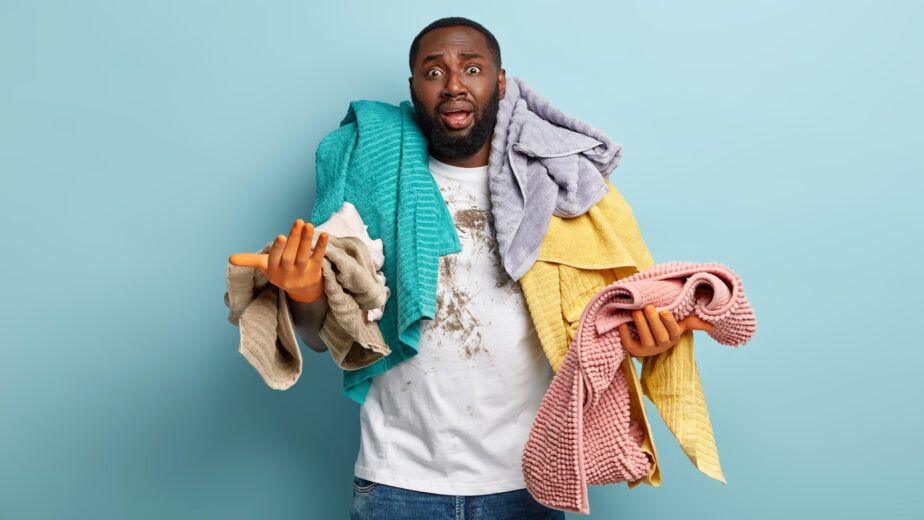
In general, two rules are important when removing stains:
- Be quick! To prevent the stain from soaking into the fabric, it is important to take action as quickly as possible.
- Never rub over the stain! This makes it bigger and penetrates deeper into the fabric. In addition, rubbing causes rings. Instead, try to dab carefully with a damp cloth.
We recommend removing the stain first by absorbing or dabbing it with kitchen paper, for example. Then you can dab again with lukewarm water and a drop of washing-up liquid, possibly with a towel under the garment. If this does not work, then it is time for the professional help of a dry cleaner or an alternative solution.
By the way, before you treat the coloured fabric, it is wise to test it first in an inconspicuous place. You can think of the hem or inside of the garment. This way you can see whether the fabric discolours due to the treatment method.
Here follow tips and tricks to remove specific stains as well as possible:
Beer stains
The more beer one drinks, the more beer one spills! The favourite men's drink consists largely of water. Fortunately, because that means the beer stain can be removed quickly with some (lukewarm) water. Stains from dark beer are sometimes a little harder to remove. Let the garment soak in lukewarm water for a while and then wash it with the rest of the laundry. You can first rub stubborn stains with a liquid detergent and then wash them along.
Coffee Stains
A cup of coffee in the morning is part of the fixed morning ritual for many people. If you are not quite awake yet, it can sometimes happen that you spill. Fortunately, you can generally get this stain out quickly. If you run to the tap immediately, there is a good chance that you can still remove the stain. Coffee with milk is best rinsed out with cold water, and coffee without milk should be rinsed thoroughly with warm water immediately.
Is the stain still not out afterwards? Then apply liquid detergent or stain remover and rub it into the stain. Let it soak in for a moment and then wash your shirt as usual.
Milk
Rinse milk stains immediately in lukewarm water. Do not use hot water, because then the milk adheres to the fabric. Before washing, you can soak the fabric in a soapy solution. For synthetic fabric: dab the stain with lukewarm water and washing-up liquid. For wool and silk: dab the stain with diluted vinegar. For white cotton or other white fabric: dab the stain with 90° alcohol or bleach white fabric with 3% hydrogen peroxide (1 part to 6 parts water). For all fabrics, wash in the washing machine immediately afterwards.
Red wine
Spilt red wine? Then be there as quickly as possible! First dab (yes gentlemen, dab, do not rub!) the stain dry with some kitchen paper. After that you have several options. For instance, you can pour a little white wine, cold water or sparkling water over the stain. Then sprinkle some salt over it to absorb all the moisture.
Is there still a large stain left? Then you can tackle the stain with a mixture of warm water and a little detergent. Do you spill red wine while going out? Then it is best to pour a little beer over it. That does not give off such a very nice smell, but it does make it easier for you to remove the stain afterwards.
Tea
Rinse the garments out thoroughly with warm water immediately. Soak them in a lukewarm soapy solution if necessary. For wool and silk: dab with water and liquid detergent. Dab with lemon juice; the acid dissolves the stain. Rinse well with lukewarm water and wash.
Tomato juice or purée
Rinse out with lukewarm water, optionally leave it for a few hours in a lukewarm 'biological' detergent solution. Then rinse and wash normally.
White wine
Rinse out immediately with cold water and then wash.

Chocolate
Scrape off as much as possible with the blunt side of a knife without smearing it. Rinse thoroughly with lukewarm water, rub in liquid detergent and rinse out again. For wool and silk: rinse well with white spirit and wash again.
Ice
Delicious on a warm day, but preferably in your stomach and not on your shirt. You can wash the stain out immediately with lukewarm water. For stubborn stains, you can treat them with a stain remover.
Chewing gum
Sat on a piece of chewing gum on the terrace? No problem, this happens to the best of us and fortunately there are simple solutions for it. Smear a little peanut butter on your stain (yes, you read that right). Peanut butter has a dissolving effect. Then throw the garment in the washing machine and the stain is gone.
Another effective solution is to leave the garment in the freezer overnight. As soon as the chewing gum is frozen and therefore rock hard, you can easily remove it. You can also choose to rub the chewing gum off with ice cubes or treat it with a special stain remover that dissolves chewing gum. Old stains are best treated with stain-removing fluid.
Grease Stains
On a night out, there is nothing better than a quick and greasy bite. Unfortunately, the combination of quick and greasy more than once results in grease stains. Nothing that a little washing-up liquid cannot solve! Washing-up liquid is made to degrease and therefore ensures that your stain dissolves easily.
Another solution for colour-fast fabrics is dabbing with white spirit and then washing. A polyester garment is best treated with liquid detergent. Grease stains on your suede shoes? Then take an old nail or toothbrush and gently rub some vinegar over the stain.
Fruits
Rinse thoroughly in lukewarm water and dab the stain carefully with lemon juice. Never use soap as a first remedy to remove fruit stains. Soap could react with the fruit stain, causing dark, bluish stains. For wool and silk: dab with lemon juice, then rinse off with water.

Bloodstains
The well-known phenomenon: shaving a little too fast and an unstoppable bleeding cut on your neck. Forgot to put a plaster on it and so a blood stain on your shirt? Rinse out immediately with cold or lukewarm water. Cold milk also works wonders. Blood stains can then usually be removed completely. Pre-wash older stains in a 'biological' detergent or soak them in it for a while, and then the normal wash treatment.
Deodorant stains
Deodorant keeps unpleasant smells away. The flip side of the coin is that it can leave white or yellow stains on your clothing. The white stains come from the deodorant itself. Your deodorant leaves white stains when you put on a shirt before the deodorant has dried. After a wash, the white stains have usually disappeared.
Yellow stains, on the other hand, are caused by a chemical reaction when sebum, sweat, water and the components of the deodorant come together. There are numerous products that supposedly remove the yellow stains. Before you buy those, you can try one of the following remedies:
- Spray some rinse aid on the stains, let it soak in for a moment and then put the garment in the washing machine.
- Let the garment soak for several hours in cleaning vinegar. Then wash it according to the instructions.
- Rub a piece of ox gall soap over the stain and then put the garment in the washing machine.
- Put three aspirins in a bowl and add half a cup of warm water. Let it soak for two to three hours and wash the shirt according to the instructions.
Grass and mud
Enjoying sunbathing in the grass or an enthusiastic game of football with the kids? Then grass stains are not unusual. What is important with grass stains is that you take action quickly, because old stains are a lot harder to remove. If you are quick enough, the stain comes out right away.
A remedy that everyone has at home is detergent. Rub the washing-up liquid onto the stain and let it soak in well. Then gently rub over the grass stains, and simply put the garment in the washing machine. A method from grandmother's time is to rub the stain in well with green soap and then put it in the washing machine. Simple and easy, but very effective.
You can treat stubborn stains with a solution of lactic acid and water or with alcohol. Moisten the fabric with this, dab it with soapy water and then wash. Then rub in with some washing-up liquid and wash immediately in the washing machine.
Resin
Treat boil-proof and colour-fast fabrics with turpentine, white spirit, alcohol or acetone and then wash. For delicate fabrics, we recommend scraping the resin off and treating it with a stain remover. If rings form, it is best to wash the garment in the washing machine.
Ink
It can happen to you just like that: an ink stain on your clothing. The most important thing when removing ink stains is that you have to be quick. Once the ink has attached itself to the fabric, these are much harder to remove. Press a piece of kitchen paper against the ink stain as quickly as possible, and let it absorb as much of the ink as possible. It is very important that you do not rub over the stain, because this makes the stain bigger.
After washing, an ink stain will not always disappear from your clothing, which is why you have to use special cleaning techniques. Fortunately, there are various ways to remove these stains from your clothing; below we give you a few examples:
- Dip a sponge or cloth in disinfectant alcohol and dab it onto the stain, then rinse the fabric with water and let it dry. If you repeat this process a few times, the stain will disappear.
- Spray plenty of hairspray on the stain and dab it clean with a dry sponge. Repeat this until the stain disappears.
- Leave your garment for half an hour in (butter)milk; after this you can wash the garment according to the normal wash programme.
- You can also choose to use special cleaning products that have been developed for removing ink stains.
If, after this, there are still remnants of the dye left, you can remove these on dark fabrics with methylated spirits, and on light fabrics you can use lemon juice. Do watch out! Be careful with strong cleaning agents such as methylated spirits and cleaning alcohol. First use a small amount of this product to see whether it affects the colour of the garment.
Candle wax
Pick off the wax and iron the remaining residue out between two paper tissues (kitchen roll paper); the heat will melt the candle wax and it will be absorbed by the tissues. Treat remaining stains with washing-up liquid and lukewarm water to degrease the fabric, and wash immediately in the washing machine.
Copper Polish
Dab with a soapy solution of water and vinegar. Then simply into the washing machine.
Glue
Treat with acetone several times (do not use acetone on acetate and chlorine fibres, however). Dab with a cotton swab until the stain is gone, then wash.
Lipstick
Dab with alcohol and then wash with liquid detergent.
Nail Polish
Use nail polish remover without acetone, otherwise it may damage the clothing
Fragrance
Treat boil-proof and colour-fast fabrics with alcohol. Materials that need to be washed carefully should be dabbed with warm glycerine. In both cases, wash in the washing machine afterwards.
Rust
Remove with a special 'rust remover'. Read the instructions for use carefully first. Then rinse cold and wash normally.
Soot
Wet the fabric thoroughly and let liquid (dish)washing detergent soak in. Roll it up and leave it for half a day. Then wash normally. If necessary, carefully vacuum up the soot and then wash immediately.
Shoe Polish
Dab with turpentine and white spirit. Then into the washing machine.
Toothpaste
You tackle white toothpaste stains with water. Does the stain not disappear? Then mix a teaspoon of liquid washing-up liquid with one cup of water and rub the mixture onto the stain. Rinse off with cold water.
Tar
Rub the stain with butter or margarine and then have it dry-cleaned by the dry cleaner.
Paint
Dab immediately with turpentine, white spirit or thinner on an absorbent surface. Then you can wash the clothing in the washing machine.
Sweat
Wash. Fabrics that need to be washed carefully should be dabbed with vinegar or alcohol; this often already removes the largest stains. Are you dealing with stubborn stains? Our experts have 7 tips to remove sweat stains for good.