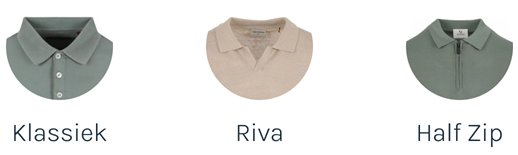
When choosing a polo, the neckline is an essential aspect to consider, since it not only affects comfort but also the overall appearance and style. The classic button placket is versatile and timeless. By undoing one or two buttons, you give your outfit a more informal look. The neckline without buttons creates a fluid silhouette and a casual, summery vibe. In addition, there are polos with a zip closure for a sporty twist and athletic look. It is wise to match your choice to your personal style and the occasion for which you want to wear the polo shirt.
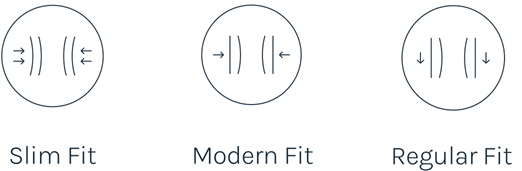
A men's polo is available in a wide range of sizes and fits. Most modern polo shirts are tailored. This means that fabric has been removed so that the shirt accentuates your body shape. As a result, the polo fits more snugly, but it should not pinch. Should it be possible to try on a polo shirt first, it is wise to pay attention to the following points:
- The shoulder seams should fall exactly at the point of your shoulders.
- The sleeves of a short-sleeved polo shirt should fall halfway down the biceps.
- You should be able to move your arm comfortably without the fabric stretching or pulling.
- The polo should fit comfortably around your chest without being too tight.
- The ideal length of a polo reaches halfway down the fly of your trousers.
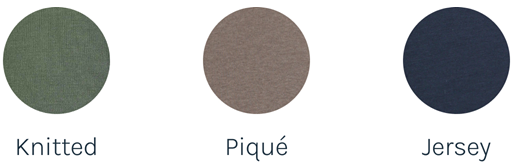
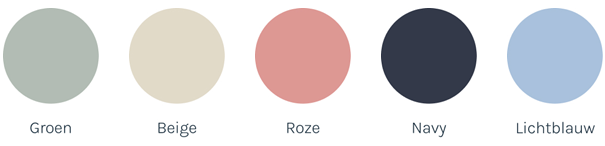
The classic colours for polo shirts are white, black and navy blue. These colours are versatile and timeless, which means you can wear them in both casual and formal settings. Neutral colours such as grey, beige and olive green have a subtle and refined appearance and are therefore excellent to combine with virtually any men's trousers or shorts. In addition, there are polo shirts in bright and energetic colours such as red, yellow and green. These colours are perfect for summery days or to make a statement. Pastel colours such as light blue, pink and mint green are also popular, especially in spring and summer. They give a soft and friendly appearance and go well with a relaxed atmosphere.
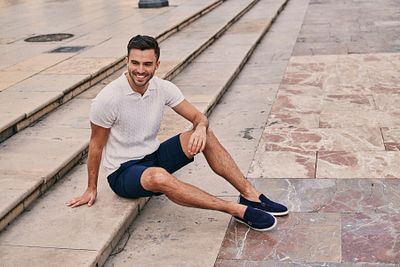
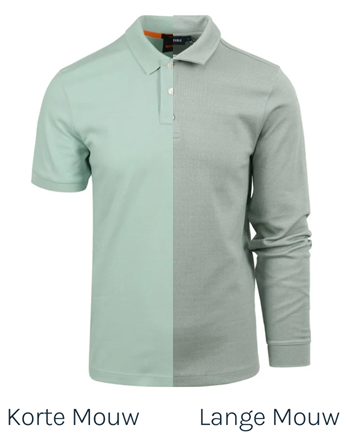
The very first polo was designed to play tennis comfortably in summer. The classic model therefore has short sleeves. Nowadays you also have the choice of polo shirts with long sleeves. These are especially pleasant during the colder days and are ideal as part of a layered outfit.
For those who want something different, you also have the choice of special versions of the polo shirt. The rugby shirt, for example, closely resembles a long-sleeve polo, but with the difference that it is made of sturdier piqué fabric. The traditional rugby shirt also has reinforced shoulders and sleeves, horizontal stripes and a white collar. A Camicia polo shirt, on the other hand, is an elegant version with a modern twist. It has the appearance of a long-sleeve polo, but wears just as comfortably as a shirt.
We conclude this article with a few fashion blunders that you should definitely not commit when wearing a polo:
- Doing up the top button of your polo.
- Wearing the collar of a polo shirt turned up.
- Wearing a basic T-shirt or undershirt visibly under your polo.